
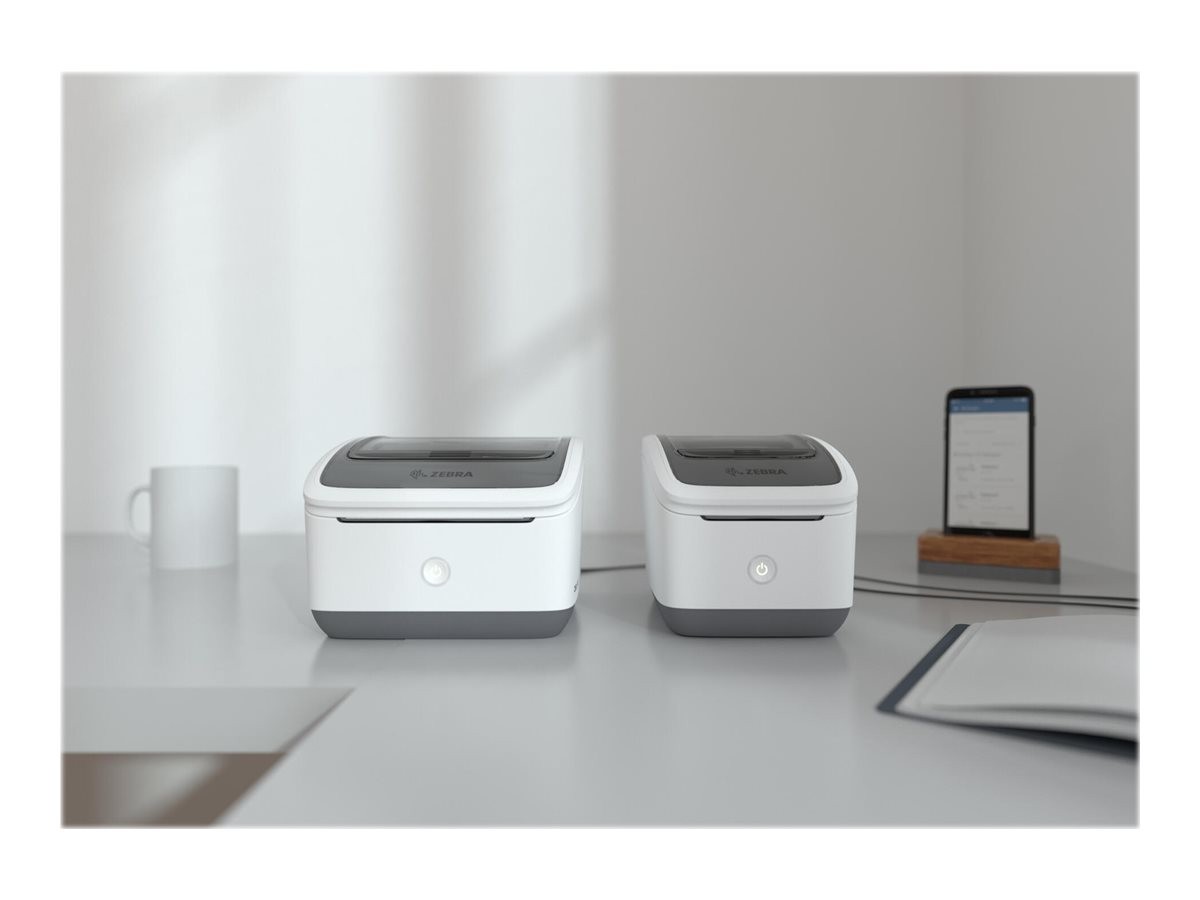
Activation is the moment trust is formed, or lost. For small businesses, setup friction feels like product failure. Customers were purchasing SOHO label printers at strong rates, yet digital activation performance told a different story. Reviews and support signals suggested disproportionate setup friction. I led a research initiative to diagnose where confidence was breaking down across the digital onboarding journey, from first power-on to successful label print.
The challenge
Completion didn't equal confidence, and friction was hiding in plain sight.
Initial signals showed that 45.5% of negative reviews referenced setup issues. Baseline mixed-method testing revealed only 68% task completion for account creation, 50% success in connecting devices, and just 33% successfully printing a first label without assistance. Satisfaction averaged 3.72 out of 7. Customers were technically completing steps, but hesitation, retries, and uncertainty were undermining trust in the product. The problem wasn’t failure, it was fragile confidence.
My approach
Diagnose. Redesign. Validate.
Digital clarity required measurable proof.
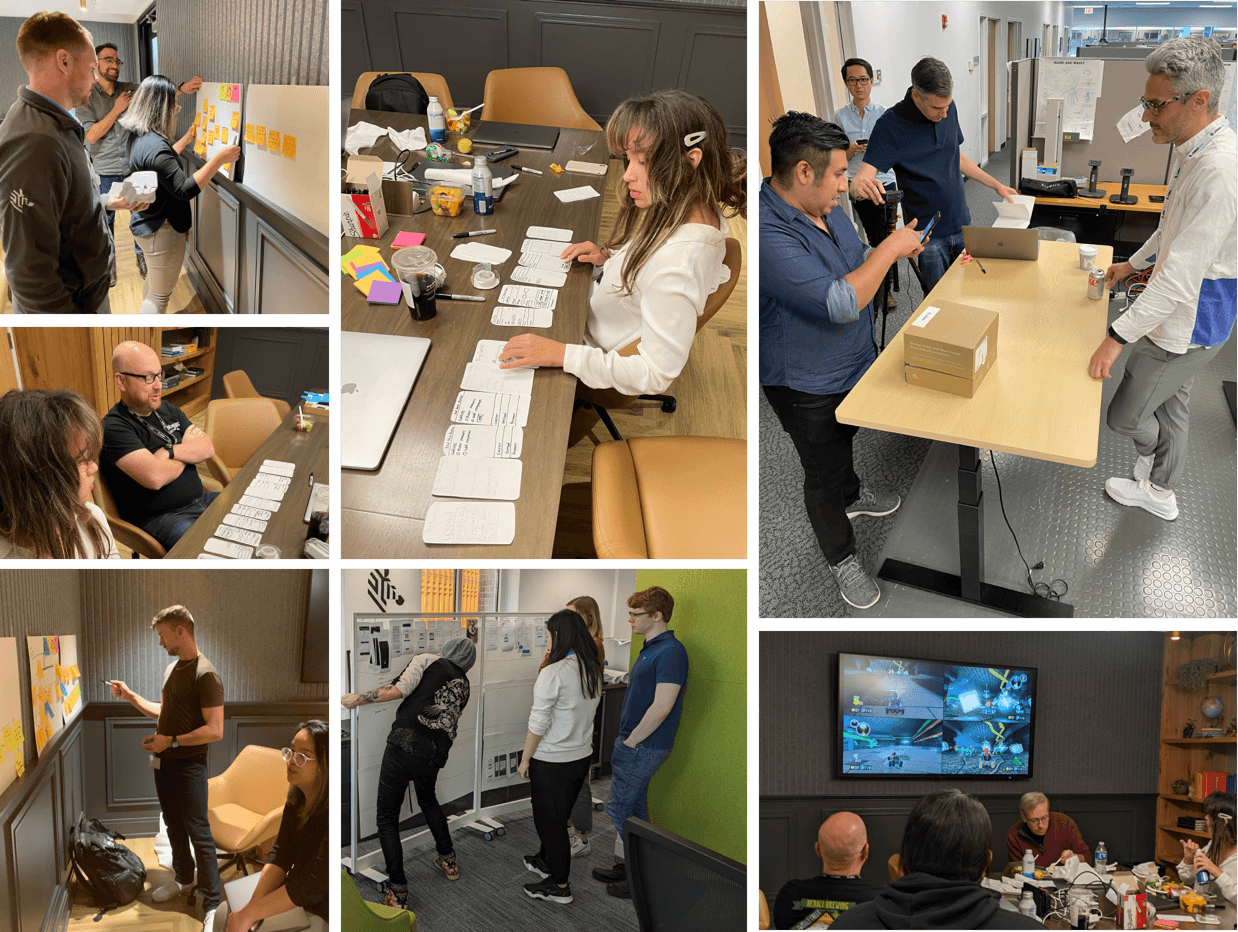
I designed and led the mixed-method research program, beginning with review mining and behavioral signal analysis to quantify friction themes. I conducted moderated usability sessions to uncover hesitation points and cognitive breakdowns. I synthesized findings into a prioritized friction map and partnered closely with UI designers during a focused cross-functional sprint to redesign the activation flow. Post-redesign, I led quantitative validation to assess behavioral improvement and statistical confidence.
The work unfolded across four stages. First, I analyzed customer reviews and support tickets to isolate recurring setup pain points. Second, I ran structured usability testing to observe real-time breakdowns across onboarding, connectivity, and first-print flows. Third, I facilitated a dedicated design sprint where product and UI teams paused parallel work to rapidly iterate on simplified information architecture and step logic. Finally, I conducted quantitative preference testing (32 vs. 18 split; p = 0.0649) to validate directional improvement and reduce subjective debate in roadmap discussions.
The impact
Friction wasn't technical, it was informational. The system required too much interpretation.
Users struggled less with capability and more with sequencing and clarity. Activation steps required cognitive leaps, and recovery paths weren’t obvious. The opportunity wasn’t new functionality — it was reducing ambiguity. Simplifying flow logic and consolidating steps restored user confidence and reduced hesitation.
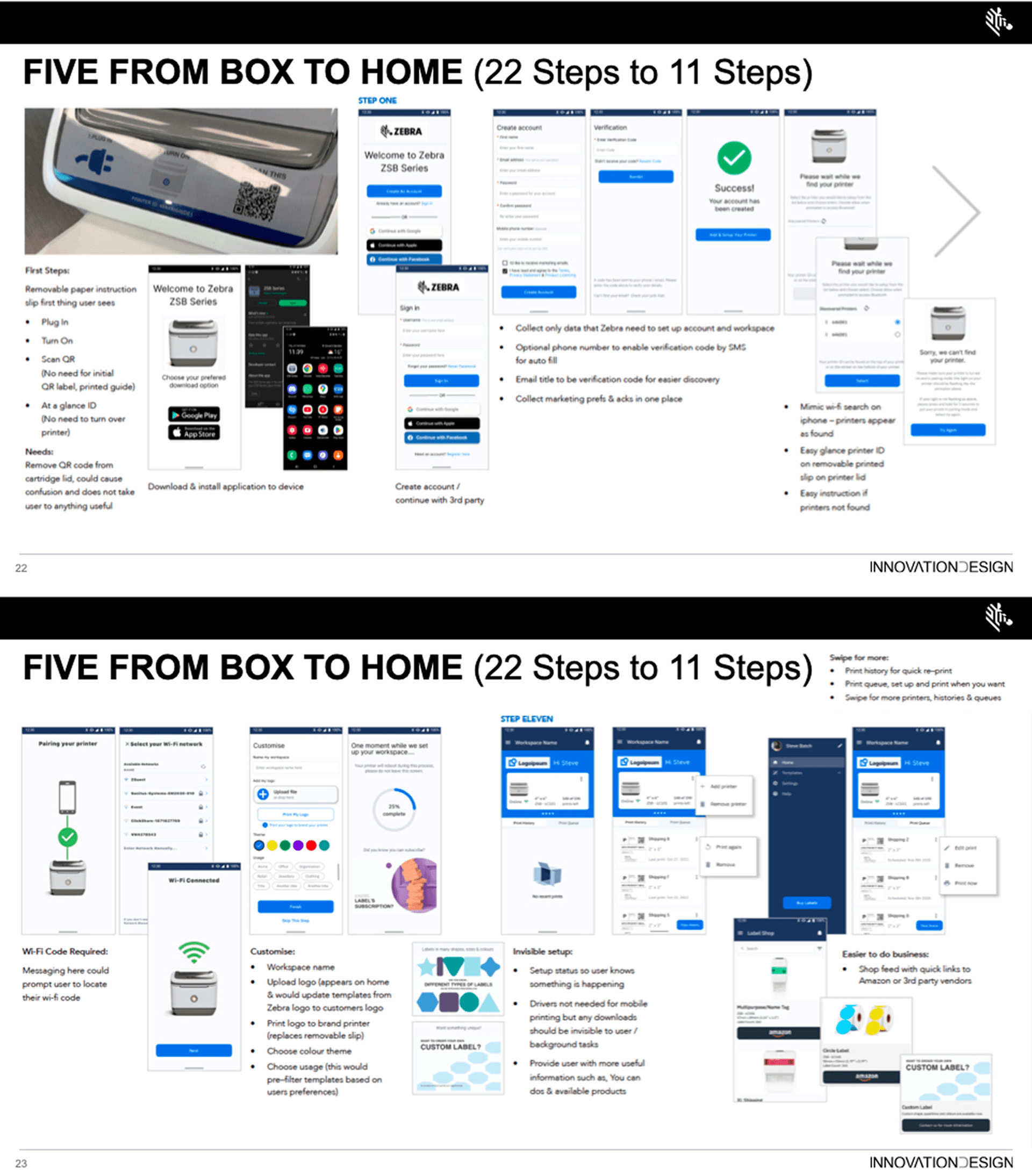
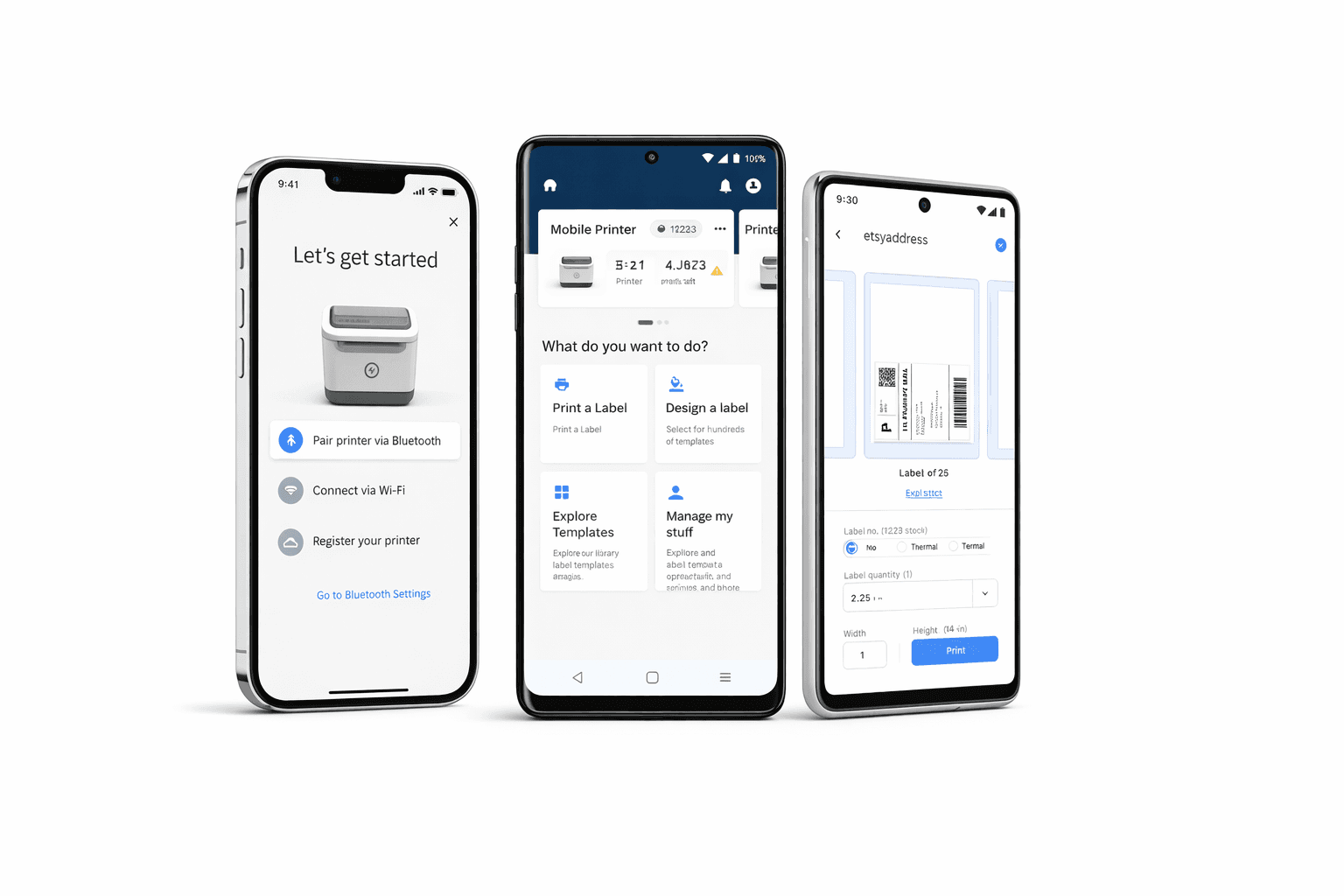
The redesigned flow reduced step count from 22 to 11 and materially improved user preference in validation testing. Activation logic became more intuitive, decreasing cognitive switching and hesitation during setup. Findings were presented to key account teams and vertical strategy leaders, influencing broader digital onboarding standards across adjacent product lines. Beyond tactical improvements, the work established a repeatable research-to-validation framework for future digital releases.