
Pharmacy leadership engaged us as operational strain and inventory distrust were escalating across high-value medication workflows. Nearly $40 million in medication was “unaccounted," not missing, but unverified within the system. Pharmacists were spending hours each shift on manual conditioning and cycle counts, eroding confidence and clinical focus. I was brought in to lead a research-driven diagnosis of the end-to-end medication lifecycle, from receiving through satellite distribution and expiration, to understand where systemic breakdowns were occurring and how visibility could be rebuilt.
The challenge
Inventory was being managed. It just wasn’t being trusted. And when trust erodes, risk quietly compounds.
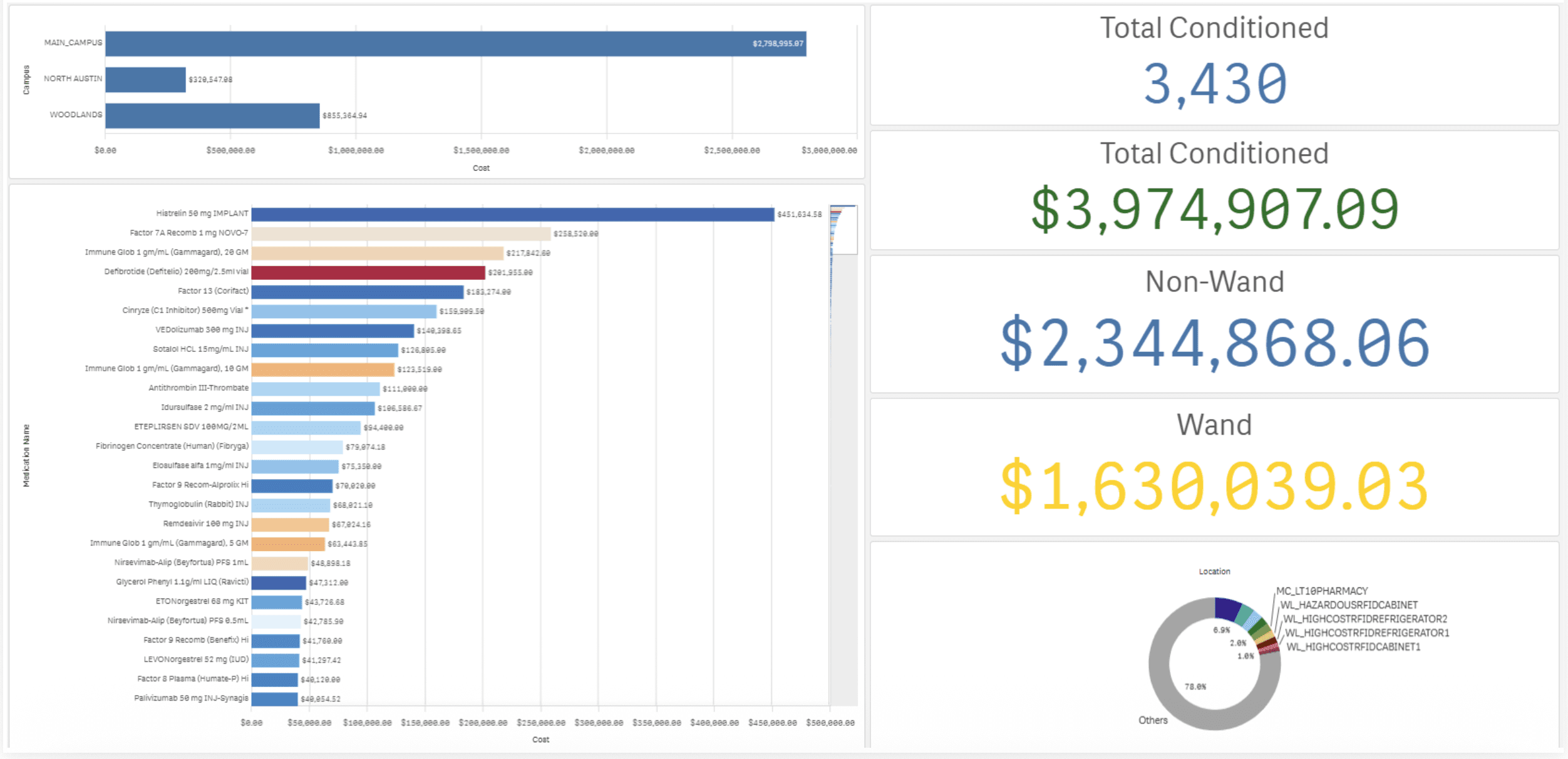
Technicians were spending up to four hours per shift on manual counting. Conditioning high-value medications required repetitive, friction-heavy processes. Cycle counts were slow and emotionally draining, and expired medication losses were reaching approximately $2.1 million per quarter. Most critically, nearly $40 million in medication inventory was present in the system but not verifiably reconciled in real time. Leadership lacked confident visibility into where high-value inventory sat at any given moment, creating operational strain and systemic uncertainty.
My approach
I led the investigation from frontline shadowing to executive strategy. My mandate was clarity, not just data.
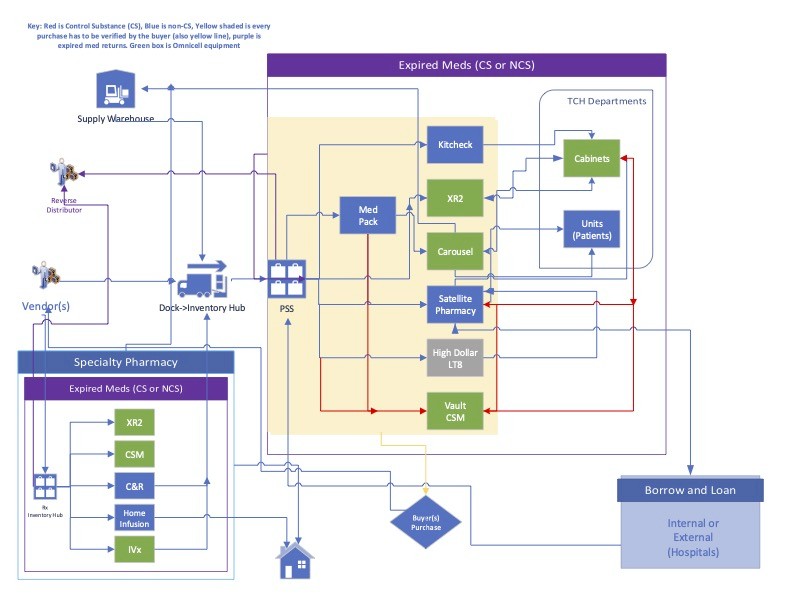
As research lead, I designed and executed a mixed-method systems diagnosis. I conducted time studies on box conditioning workflows, shadowed pharmacists and technicians across high-dollar satellite environments, facilitated ride-alongs, and mapped the full medication lifecycle across receiving, conditioning, storage, and distribution. I synthesized behavioral observation with operational metrics to surface root causes rather than surface friction. I then translated those findings into executive-ready narratives and facilitated alignment workshops with pharmacy leadership, IT, and operations to shift the initiative from incremental improvement to strategic transformation.
Technicians were spending up to four hours per shift on manual counting. Conditioning high-value medications required repetitive, friction-heavy processes. Cycle counts were slow and emotionally draining, and expired medication losses were reaching approximately $2.1 million per quarter. Most critically, nearly $40 million in medication inventory was present in the system but not verifiably reconciled in real time. Leadership lacked confident visibility into where high-value inventory sat at any given moment, creating operational strain and systemic uncertainty.
The impact
Inventory wasn’t disappearing, the system simply couldn’t confirm reality. Visibility restored both trust and capital.
Nearly $40 million in medication sat in a visibility gap, present physically, but not verifiably reconciled across systems. Manual workarounds were compensating for digital blind spots, creating emotional disengagement and operational fatigue. The core insight was that visibility drives trust. Without verifiable, real-time confirmation, both financial control and clinical confidence degrade. This reframing shifted the hospital’s mindset from reconciliation to prediction, from reactive counting to proactive visibility.
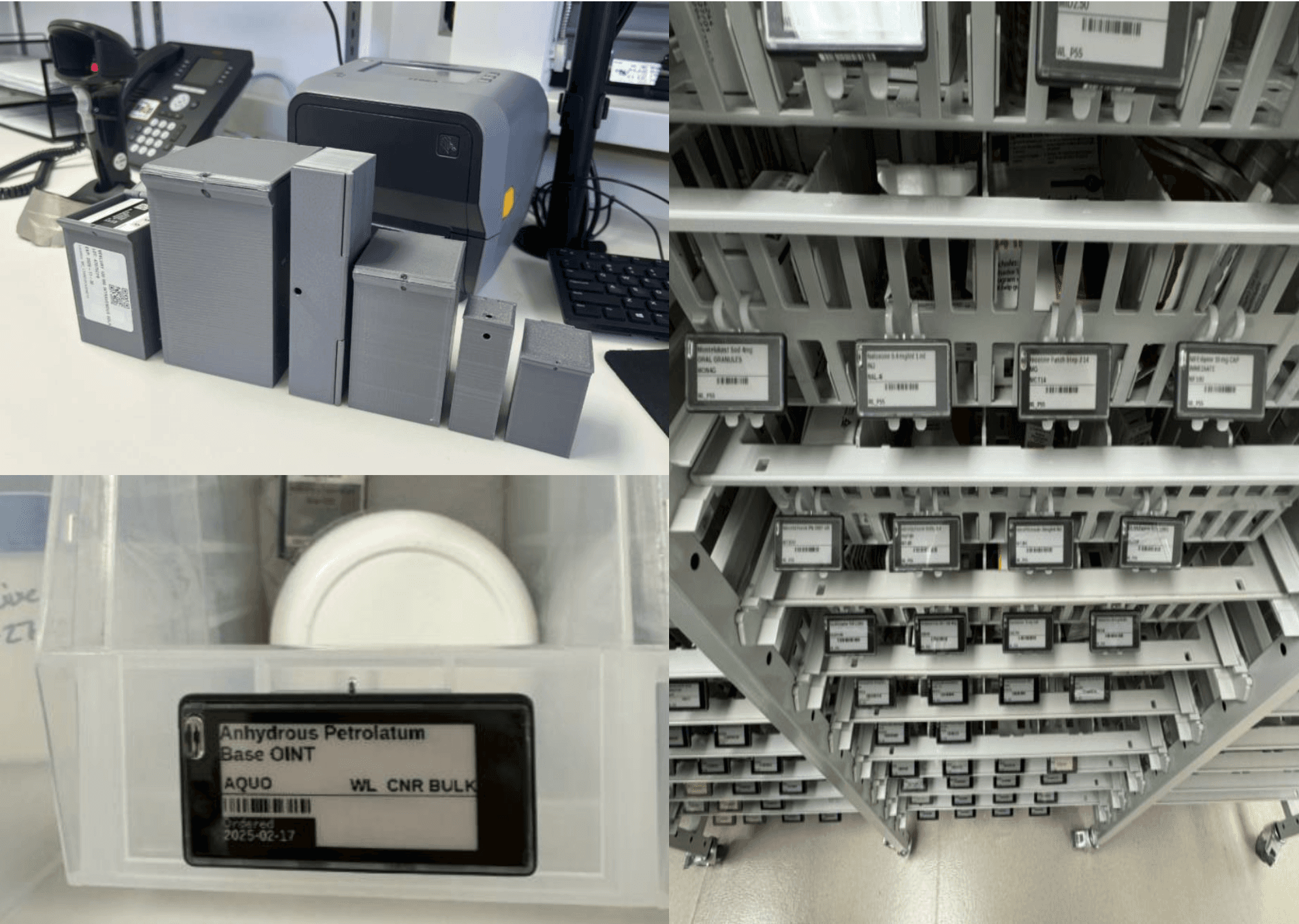
The implementation of RFID-enabled workflows transformed operational performance:
Conditioning reduced to ~7 seconds per item
4,008 high-value items tagged (~$4.6M of inventory made digitally visible)
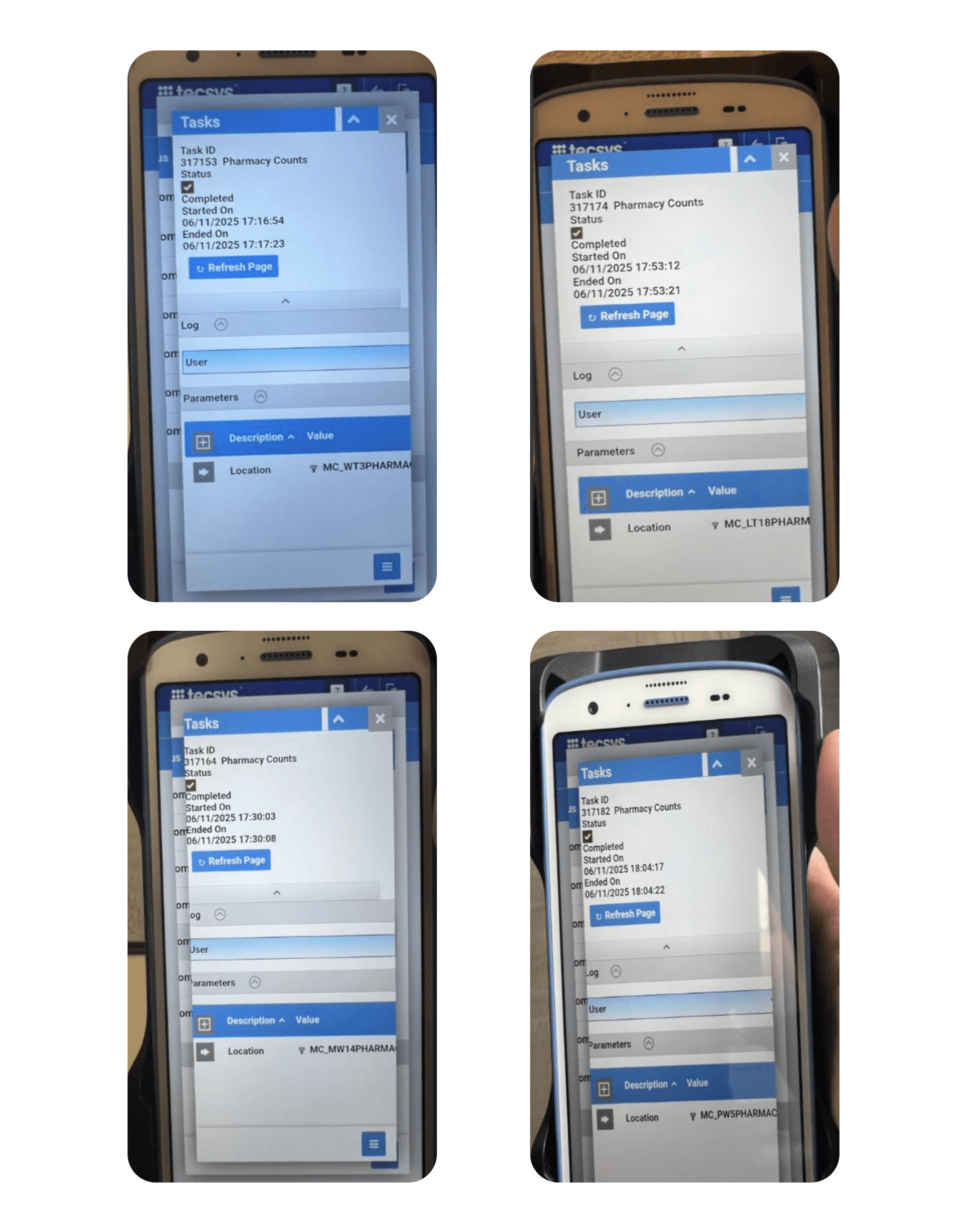
Cycle counts reduced from hours to ~30 minutes across 12 satellites
100% cycle count accuracy achieved
Expired medication losses reduced from ~$2.1M to ~$1.1M per quarter
$17M reduction in medication purchasing within three months
~$160,000 per day in savings at go-live
92% reduction in pharmacist inventory burden
Beyond financial impact, Texas Children’s became the only major U.S. hospital operating with real-time medication visibility, fundamentally reducing systemic risk and restoring clinical focus.