
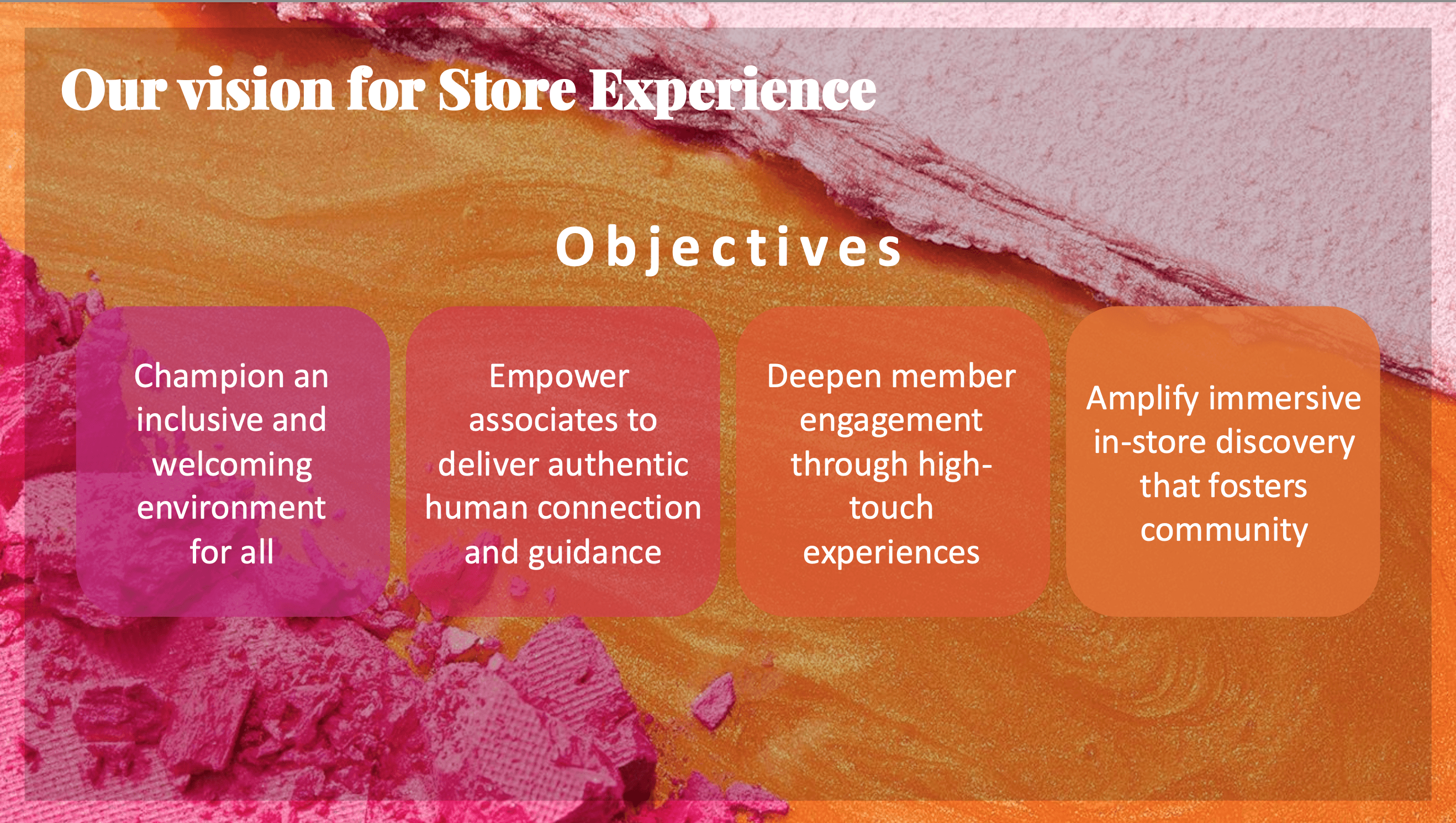
Inside Ulta stores, associates were navigating multiple devices, platforms, and task flows that had evolved independently over time. While each system functioned in isolation, the lived experience on the floor felt fragmented. I initiated immersive field research to understand how that fragmentation shaped behavior, slowed execution, and subtly impacted the guest experience.
The challenge
Nothing was “broken, " but everything was slightly misaligned
Associates toggled between devices to complete routine tasks. inventory lookups, guest support, fulfillment, and promotions. Information lived across separate platforms with inconsistent logic. Task flows required cognitive switching and manual reconciliation. Over time, these micro-frictions accumulated into slower execution, reduced confidence, and less time spent directly with guests. The challenge wasn’t fixing a single tool, it was understanding the system of tools as one operational ecosystem.
My approach
Observe first. Map second. Align third.
Insight had to connect behavior to systems.
I led immersive, in-store research across roles and shifts, shadowing associates during live task execution. I conducted contextual interviews, mapped workflow transitions, and documented device switching patterns in real time. I synthesized qualitative observation with operational context to isolate friction patterns that were invisible in system-level metrics. I then translated those findings into prioritized opportunity areas for product, operations, and strategy leadership.
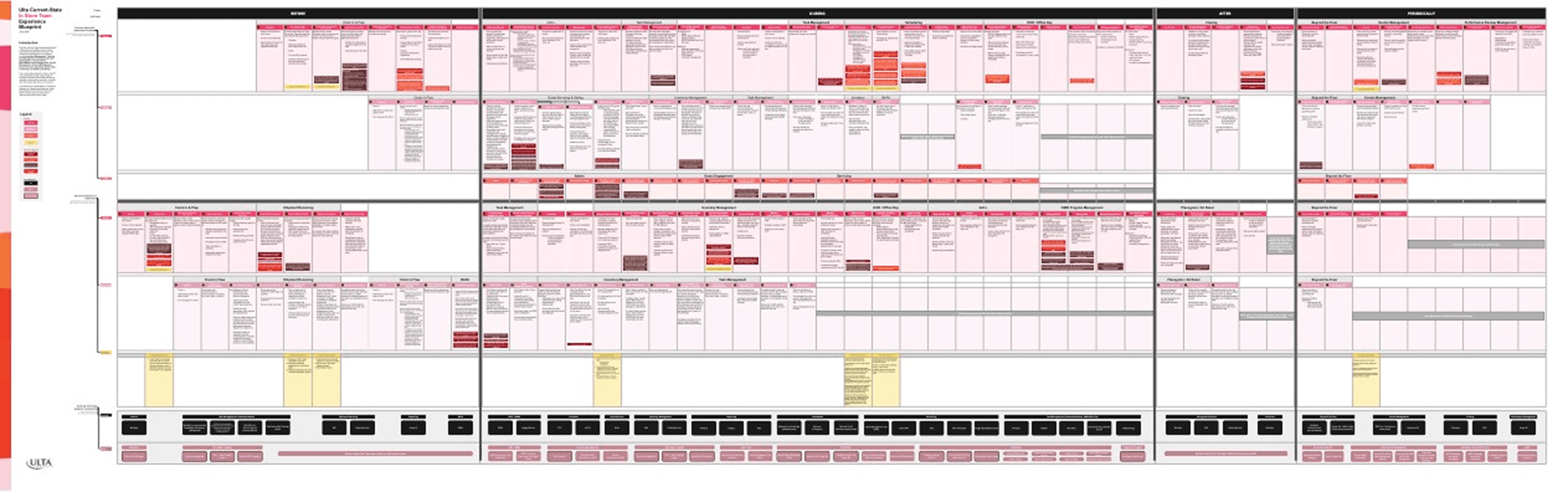
The work unfolded in three deliberate phases. First, I conducted field immersion and ride-alongs to capture authentic task flow, interruptions, and coping behaviors. Second, I constructed workflow maps that visualized how inventory, fulfillment, guest engagement, and promotional tasks intersected across devices. Third, I facilitated cross-functional workshops with design, product, and operational stakeholders to pressure-test findings and build alignment around system-level simplification rather than incremental UI changes.
The impact
Every device switch introduced friction, and friction compounds.
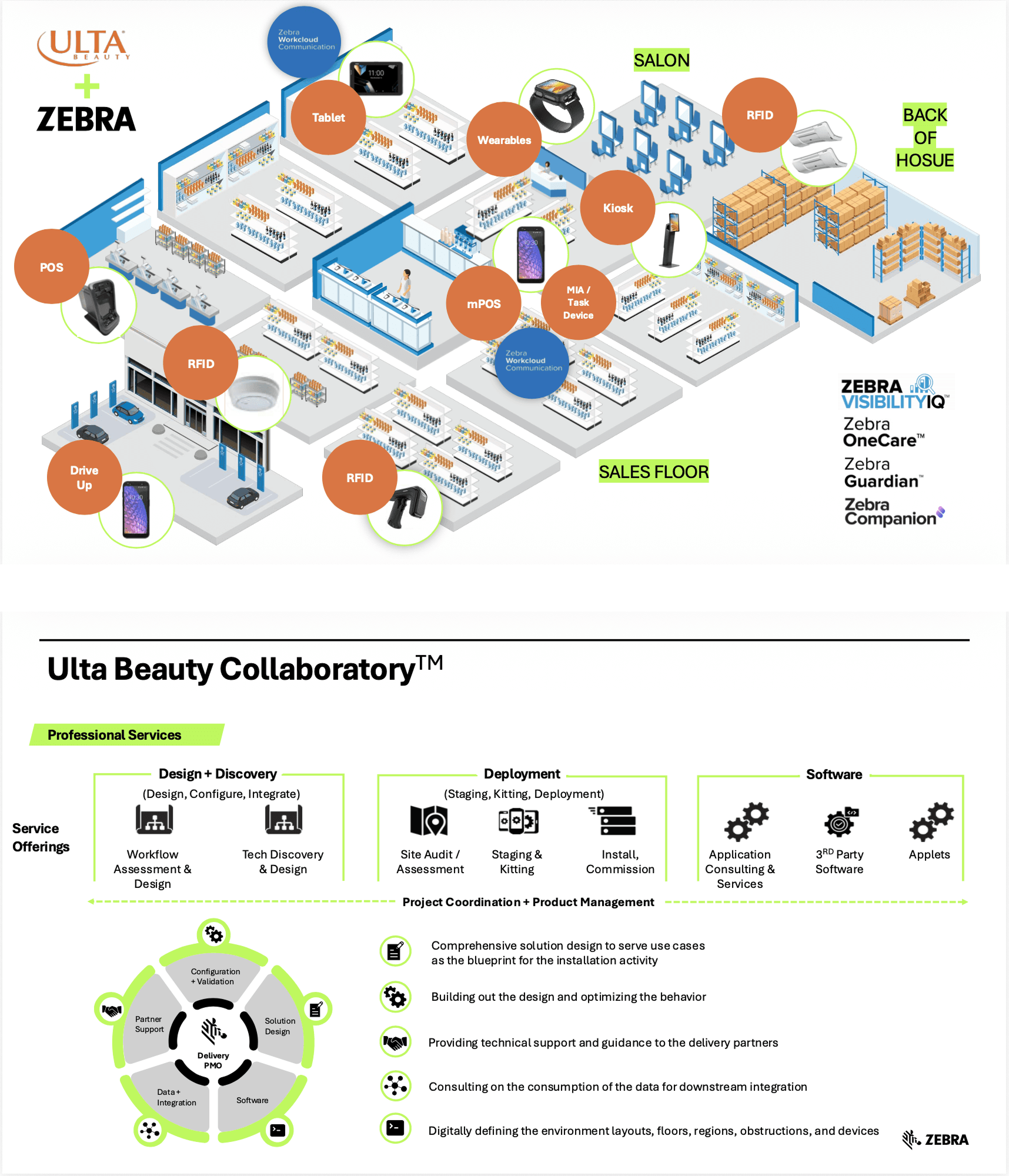
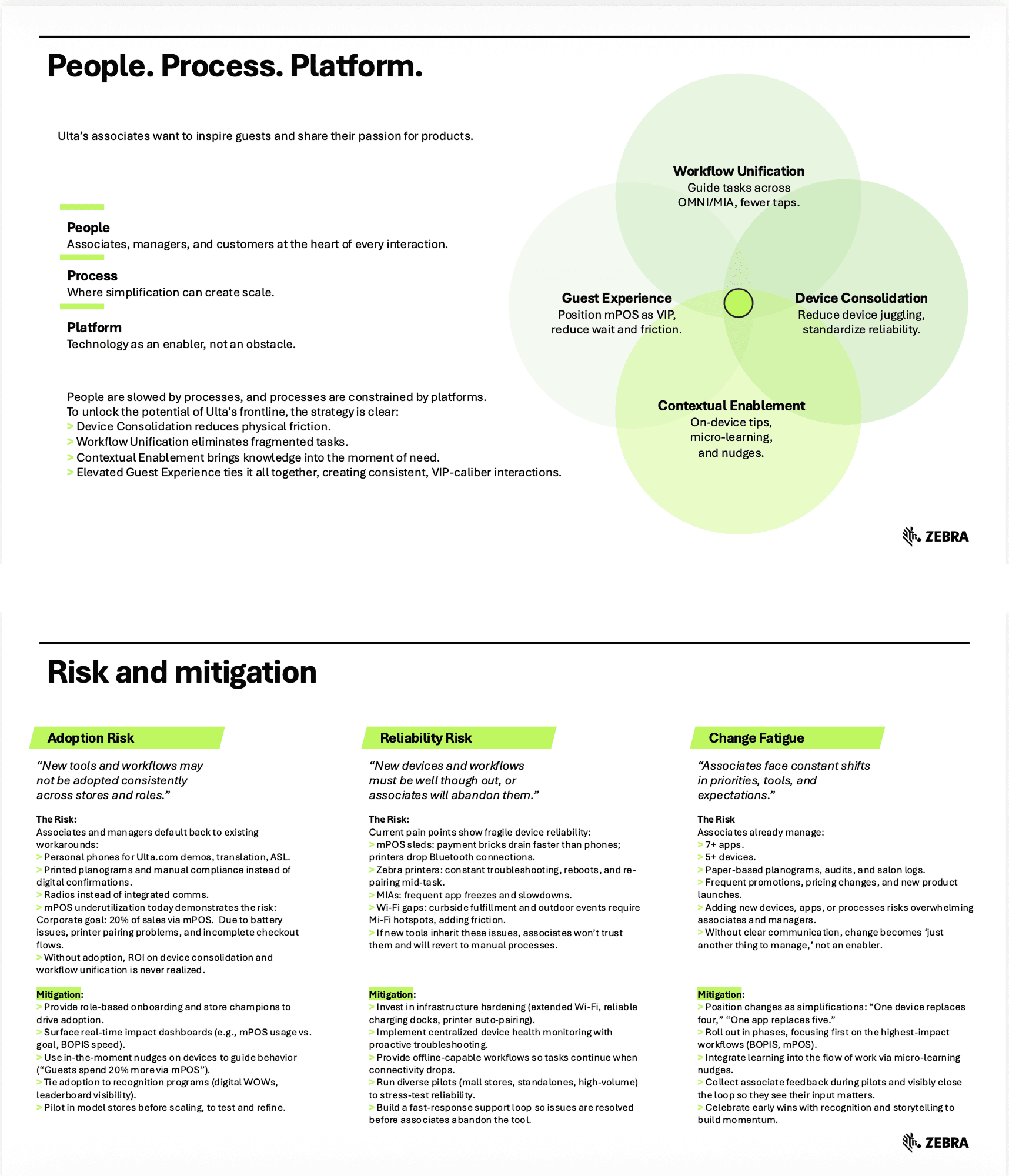
Associates weren’t struggling with usability in isolation. They were compensating for fragmented workflows that required constant mental recalibration. The opportunity wasn’t to optimize screens, it was to unify task logic and reduce switching behavior across the ecosystem. That reframing shifted the conversation from “improving features” to simplifying operational flow.
The research informed workflow unification and device consolidation strategy, shaping roadmap prioritization across business units. Findings were shared with vertical strategy leaders and product teams, influencing cross-platform alignment decisions. Most importantly, the work elevated associate experience from a tactical concern to a strategic lever for guest satisfaction and operational efficiency.